Chimney Waterproofing in Atlanta: What It Is, What It Prevents, and When to Do It
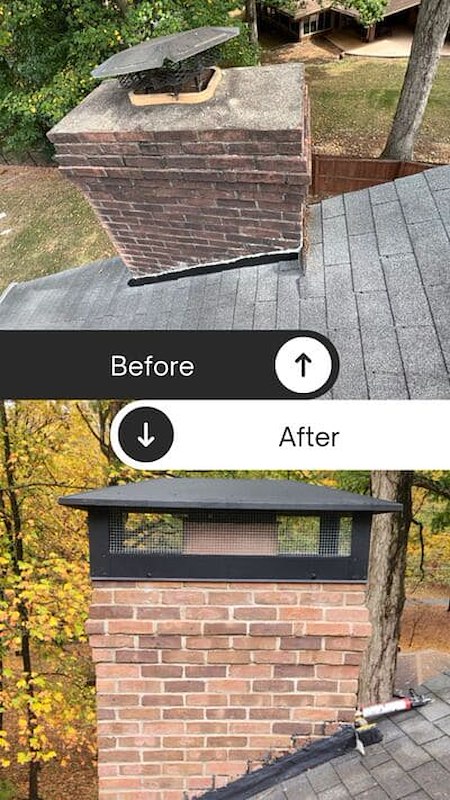
If you own a fireplace in Atlanta, you have likely seen how fast heavy rain and summer humidity can wear on masonry. Chimney waterproofing in Atlanta adds a breathable, professional-grade water repellent to the exterior surfaces so moisture cannot soak into brick, mortar, or the crown. Done by trained pros, this protective step helps your system last longer and reduces the chance of stains and interior water damage. To see how our team handles it, explore our detailed service page for chimney waterproofing.
What Chimney Waterproofing Actually Is
Waterproofing is not paint and not a shiny coating. It is a clear, vapor-permeable treatment made for masonry. The repellent soaks into the brick and mortar to reduce water absorption while still letting water vapor escape. That means the chimney can “breathe,” which is important in our humid climate. A pro will evaluate the crown, cap, joints, and any hairline cracks first, then apply the treatment to clean, dry masonry for even coverage.
Do not coat chimney brick with paint or non-breathable sealers. Trapping moisture inside can speed up cracking, flaking, and spalling, especially after sudden cold snaps.
What Waterproofing Prevents in Atlanta Homes
In Metro Atlanta, quick storms, sideways rain, and warm, damp air are tough on chimneys. A quality water repellent helps prevent common problems that often start small and become costly if ignored.
- Leak pathways at mortar joints and tiny surface cracks
- Spalling and flaking faces on bricks after wet-cold cycles
- Efflorescence, the white salt staining that follows repeated wetting
- Crown deterioration and hairline fractures that absorb water
- Musty odors and stained ceilings or walls near the fireplace
When paired with a sound crown, good flashing, and a proper cap, waterproofing gives your system a strong defense through summer storms and winter dips below freezing.
Water Repellent vs. Rebuild: How Pros Decide
Homeowners sometimes ask if a repellent can fix every water issue. It cannot. If a chimney in Buckhead or Grant Park shows major brick loss, wide cracks, or failing structure, a rebuild or targeted masonry repair may be the safer route. Waterproofing protects masonry that is still in serviceable condition; it is not a cure for severe damage.
When an inspection shows advanced deterioration, your technician may recommend focused masonry work or a full project on the damaged section. If that is the case at your home, learn how our team approaches structural fixes on our page for chimney repair and rebuilding.
Why Breathable Sealers Matter in Humid Climates
Atlanta’s humid subtropical weather means masonry often starts the day with moisture in the pores. A breathable, masonry-grade repellent lets vapor out while blocking liquid water from getting in. That balance limits pressure build-up inside the brick when temperatures swing. It also helps the chimney dry faster after pop-up storms across neighborhoods like Decatur, Sandy Springs, and East Atlanta Village.
Efflorescence, Stains, and Other Warning Signs
White, chalky staining is a red flag. Those salts are called efflorescence and show that water is moving through your chimney and bringing minerals to the surface. You might also notice dark streaks, flaking faces, or damp odors after rain.
- Powdery white salts on the chimney face or near the shoulders
- Hairline cracks across the crown that hold water
- Mortar joints that look washed out or crumbly
- Stains on ceilings near the fireplace after storms
- Rust on the damper or firebox components from chronic dampness
These symptoms do not always mean a rebuild. Often, targeted tuckpointing, crown repair, and then waterproofing will stop the cycle before it spreads.
How Waterproofing Works With Caps, Crowns, and Flashing
Think of your chimney like a rain system. The cap and crown shed water off the top. Flashing moves water away where the chimney meets the roof. Waterproofing protects the vertical surfaces from absorbing rain. If one part fails, the whole system struggles. That is why pros evaluate all three before applying a repellent.
Many homes across Midtown and Brookhaven get the best results when a custom cap and a restored crown are paired with a breathable treatment. If your technician mentions upgrading hardware, take a look at our page on chimney caps and dampers to see how these parts reduce water entry and improve draft control.
When to Schedule in Atlanta’s Seasons
Early fall is popular, but you do not have to wait. Late summer often offers warm, dry stretches that help treatments cure. Spring works too, once pollen dust is rinsed off and surfaces are dry. In winter, timing depends on temperature and rain. Since our area still gets occasional freeze events, your pro will choose a window that stays above curing temps for reliable results.
Neighborhoods with heavy tree cover, like Druid Hills or Virginia-Highland, benefit from planning ahead. Leaves and needles can trap moisture on the crown and along shoulders. Booking before the first long cool spell reduces delays and makes any follow-up repairs easier to complete.
How Long Waterproofing Lasts
Service life varies with exposure, chimney height, and how much wind and sun your home gets. Many Atlanta homeowners plan to reapply every several years as part of routine maintenance. That interval can be shorter on windward sides that catch sideways rain or taller chimneys that see more weather. Your technician will note the suggested recheck date in your visit summary.
Freeze/Thaw in Atlanta: Why Small Cracks Grow Fast
We do not see deep freezes all winter, but quick drops below 32°F still happen. When soaked masonry freezes, water expands in tiny pores and cracks. Repeating that cycle breaks off thin brick faces, which is called spalling. Stopping water absorption before a cold snap is your best defense. That is another reason to address stains and small cracks early rather than waiting for peak season.
What to Expect From a Professional Visit
Your appointment should start with a visual check of the cap, crown, shoulders, and visible joints, then a moisture reading or absorption test on suspect areas. If needed, the tech may recommend minor mortar repairs or crown patching first. After that prep, a breathable, masonry-grade repellent is applied in even coats across all suitable surfaces and allowed to cure. The team will avoid overspray on siding, roofing, and landscaping and will document the condition with before-and-after photos.
If you want to understand the service in plain terms from the source, read the overview for professional chimney waterproofing and see how The Fireplace Company stages the work around Atlanta weather patterns.
Chimney Waterproofing vs. Quick Leak Patching
Caulk on its own is not a waterproofing plan. It is a spot fix for a specific gap. True waterproofing is system-level protection that reduces water absorption across the masonry. In areas like Kirkwood, Cabbagetown, and Inman Park with older brick, a system approach helps slow wear on historic materials while keeping the fireplace safe to use when the season turns cool.
Will Waterproofing Change the Look of My Chimney?
Professionally applied repellents are clear and designed to maintain the natural look of masonry. Some brick may appear slightly darker while the treatment is still curing, which fades as the surface dries. If your chimney already shows mixed tones from past repairs, the finish will usually even out that contrast instead of highlighting it.
Is Waterproofing Right for Prefab or Sided Chimneys?
Atlanta has many framed chimney chases with stone or brick veneer. The strategy depends on the materials and what the inspection finds. Veneers, crowns, and chase covers may need different products and prep than full masonry stacks. Your technician will outline what is appropriate for your specific build so you get the right protection without harming the finish or the substrate beneath.
Simple Planning Tips for Atlanta Homeowners
Pick a window of clear weather and be ready for short ladder access time. Trim back any branches touching the chimney so crews can work safely. If your home sits higher on a hill or has a steep roof, teams may stage special ladders or safety lines, which can extend the visit. Keep pets and kids indoors while work is active, and ask for photo documentation so you have a record for future maintenance.
For a quick overview of services, you can always start at our homepage and learn more about chimney waterproofing in Atlanta along with other options that keep your fireplace safe and comfortable.
Ready to Protect Your Chimney the Right Way?
Moisture is the enemy of masonry. Fast action after storms prevents interior damage and keeps minor issues from growing. When you want reliable, local help across Atlanta, Decatur, Marietta, and nearby neighborhoods, The Fireplace Company is ready to assess your system and outline the right next steps. To schedule a professional visit, call 770-427-6636 or book online. Your technician will note any repairs, set a recheck timeline, and apply the right breathable protection for your home.
If your chimney is in good shape and you want to keep it that way, reach out now and we will plan the timing, prep, and application for a smooth, weather-aware appointment. Start here to protect your home with trusted chimney waterproofing that is built for Atlanta’s climate.
Make Your Space Comfortable With Our Fireplace Store & Chimney Services In Atlanta