Chimney Inspection Checklist for Atlanta Homeowners (What Pros Look For)
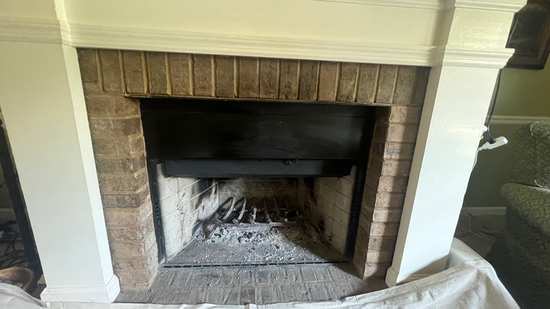
Booking a chimney inspection Atlanta visit is about safety, comfort, and peace of mind. Here is a clear checklist of what trained pros examine in our area, based on industry standards and real homes across Buckhead, Decatur, Sandy Springs, and Midtown. If you are due, schedule trusted chimney cleaning and inspections with the team at The Fireplace Company so your system is ready for cool Georgia nights.
Chimney Inspection Atlanta: What Pros Examine First
Every home is different, yet great inspectors follow a consistent flow. They start with exterior conditions, then confirm the venting path, and finish with critical firebox and connection points. In Atlanta, humidity, sudden summer storms, and heavy pollen seasons can speed up wear, so a careful look at water entry points and airflow is a priority.
NFPA-Style Levels Explained: Level 1, Level 2, Level 3
Level 1: Routine Safety Check For Ongoing Use
This is a basic, visual inspection for systems that have not changed and are used the same way each season. A pro confirms the chimney is free of obvious blockages, checks accessible parts of the appliance and flue, and notes any concerns that need a deeper look.
Level 2: Real-World Atlanta Scenarios
Level 2 is recommended when you buy or sell a home, after severe weather, or when you change the appliance or fuel type. Inspectors use specialized cameras to evaluate the full flue passage, plus accessible areas in attics, crawl spaces, and basements. This level often uncovers hidden liner cracks or smoke chamber defects common in older bungalows from Grant Park, Virginia-Highland, and Inman Park.
Level 3: Rare, Targeted Investigation
Level 3 is only used when serious safety issues are suspected. It allows limited removal of components to see concealed areas that lower levels cannot confirm. Your inspector will explain why it is needed and what parts may be opened before any work begins.
The 12-Point Checklist Pros Use In Atlanta Homes
Here are the core areas your inspector reviews to keep your home safer and smoke moving the right way:
- Chimney exterior: masonry, siding chases, and visible movement or leaning
- Crown, cap, and spark arrestor: cracks, loose fasteners, missing screens
- Flashing and counterflashing: lifted edges, staining, or gaps along shingles
- Chimney waterproofing signs: spalling brick, efflorescence, and moisture trails
- Flue liner: camera review for cracks, gaps, offsets, or missing mortar
- Smoke chamber: smoothness, parging quality, and smoke shelf debris
- Damper: alignment, travel, and seals that affect draft
- Firebox and hearth: loose bricks, refractory panels, and heat damage
- Clearances to combustibles: mantel legs, trim, framing near the flue
- Appliance connections: gas log sets, inserts, or wood stoves tied to the vent
- Attic and chase access: visible staining, heat marks, or improper framing
- Room air and carbon monoxide risk: ventilation patterns and alarm locations
If caps or dampers are missing or damaged, your inspector may suggest upgrades that reduce water entry and help control airflow. Learn more about solutions like top-sealing dampers and custom covers on our chimney caps and dampers page.
When To Schedule In Atlanta’s Seasons
Most local homeowners aim for late summer or early fall so the system is ready before the first cool snap. That timing gives you room to address any repairs without racing the calendar. In areas with tall tree canopies like Druid Hills, Brookhaven, or East Cobb, falling leaves and needles make pre-season checks even more important.
If you use your fireplace often from November through February, or if your chimney experienced wind-driven rain or a hailstorm, plan an off-peak appointment after winter to document wear and keep next season simple. For details on annual rhythms and timing, read our article on how often to schedule gas fireplace cleaning in atlanta.
Documentation You Should Receive
Clear documentation protects you during home sales, insurance claims, and future maintenance. Ask your inspector to provide the following items in a single report so you always know the condition of your system:
- Camera images or video stills of the flue and smoke chamber
- A written summary with plain-English explanations and location notes
- Priority levels for safety vs. maintenance issues
- Photos of exterior areas like crowns, caps, and flashing
- Next-step recommendations that match the inspection level performed
Always request photos and a written report. It is your record of the system’s condition and helps track changes over time.
Common Issues Atlanta Pros Find
Moisture is the top concern here. Atlanta’s heat and humidity, paired with sudden downpours, can speed up crown cracking and flashing leaks. On older chimneys, creosote in rough clay tiles can build faster, and smoke chambers may need smoothing to improve airflow. Unlined or damaged liners sometimes turn up in historic homes, which is one reason Level 2 camera work matters.
Draft problems also pop up when homes are tightened for energy savings. New windows or kitchen exhaust upgrades can change pressure in the room and pull smoke where it should not go. Your inspector will note these patterns and suggest venting or sealing solutions that fit your setup.
Animal entry is another Atlanta reality. Without a proper cap, small birds or squirrels can nest in spring, leading to odors, blockages, and mess. If your report mentions cap damage or missing screens, prioritize that fix to keep water and critters out.
What Affects Inspection Cost Ranges In Atlanta
Exact pricing is not one-size-fits-all. Ranges vary by chimney height, roof pitch and access, the presence of a chase cover or multiple flues, the condition of liners, and whether a basic visual or camera-assisted review is appropriate. Timing can matter too, since peak-season calendars fill quickly. Your report should explain the level performed, any recommended follow-up, and what that means for next steps.
Avoid bait pricing that sounds too good to be true. Reputable companies explain levels clearly, show images, and outline options in writing.
How Pros Evaluate Safety Without DIY Steps
Professional inspectors use specialized lights, cameras, and gauges to see areas a homeowner cannot access safely. They compare findings to industry guidelines and local installation norms. If any part of the system is not ready for use, they will advise pausing operation until corrections are made. Never use a chimney that was flagged as unsafe in a written report.
Why Choose A Local, Certified Chimney Company
Local teams know Atlanta weather patterns, common construction details, and neighborhood-specific challenges. Look for proof of training, clear documentation, and steady communication. To get started with a trusted partner, connect with our chimney inspection Atlanta experts at The Fireplace Company and we will guide you through the right level for your situation.
Ready To Schedule Your Inspection?
When it is time to book, call 770-427-6636 and ask for a visit that fits your home’s age, fuel type, and usage. Our pros perform thorough NFPA-style checks and provide photos and a simple, prioritized report. If your chimney needs care, we can coordinate any follow-up work and re-inspect after repairs. Start with a convenient appointment for chimney cleaning and inspections through The Fireplace Company today.
Pro tip for busy seasons: Book before the first cool front in late September or early October so you avoid long waits and enjoy reliable fires all winter.
Make Your Space Comfortable With Our Fireplace Store & Chimney Services In Atlanta