7 Signs Your Chimney Needs Repair (Before Water Damage Spreads)
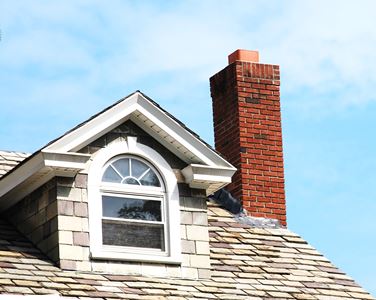
Atlanta weather is tough on masonry. If you catch early warning signs, you can stop leaks before they travel through your walls and ceilings. Below are seven clear signals your chimney needs attention right now, plus why fast action matters for homes from Buckhead and Midtown to Decatur and Sandy Springs. If you recognize any of these, schedule a thorough evaluation and professional chimney repair with The Fireplace Company.
For homeowners comparing options, start with trusted chimney repair atlanta resources and a local team that stands behind its work.
Why Chimney Repair Atlanta Homeowners Should Act Early
Moisture is the number one enemy of brick, mortar, and metal parts. Small gaps let rain in, and capillary action pulls that water deeper into the stack. When storms roll through Atlanta, wind-driven rain can push water beneath flashing and into hairline crown cracks. Left alone, that moisture causes rust, rot, and interior stains. Catching damage early protects your home and wallet.
Sign 1: Cracked or Crumbling Chimney Crown
The crown is the concrete or mortar slab that sheds water at the very top of the chimney. Look for map-like cracks, missing chunks, or pooled water. These openings channel rain straight into the flue and masonry below, which leads to leaks in rooms on the same side as the chimney. In neighborhoods with tall tree cover like Morningside and Virginia-Highland, falling limbs can also chip or fracture the crown.
If the crown looks rough or patched, do not wait for the next thunderstorm to test it. A trained technician can assess whether the crown needs targeted repair or full replacement as part of a broader chimney repair and rebuilding plan.
Sign 2: Spalling or Flaking Brick
Spalling happens when the face of a brick pops or flakes off. It is a moisture red flag often triggered by repeated wetting and the occasional winter freeze in the Atlanta area. You might spot piles of brick chips on the roof or see faces of bricks missing along the stack, chimney shoulders, or at the roofline.
- Brick faces peeling, pitting, or shedding gritty flakes
- Mortar joints widened, sandy, or missing in spots
- Dark, damp patches that linger long after rain
Water always wins if it keeps entering the masonry. Spalling spreads, weakens the stack, and opens new paths for leaks into attic framing and drywall.
Sign 3: White Efflorescence and Damp Odors
White, powdery crystals on brick or stone are mineral salts left behind as water evaporates. That chalky coating, called efflorescence, means moisture is moving through your chimney. Pair that with musty smells after storms and you have a strong sign of active water intrusion. Efflorescence points to ongoing moisture movement.
Sign 4: Interior Staining Near the Chimney
Look for tan or brown rings on ceilings, bubbling paint, or hairline cracks in drywall near the fireplace wall or along the chase. In Atlanta homes with finished attics or bonus rooms, stains can appear several feet from the actual leak path as water wicks along framing. You might also notice warped trim or cupping floors close to the hearth. Water stains after rain mean water is already inside.
- Ceiling or wall discoloration beside the chimney chase
- Peeling paint or swollen baseboards near the fireplace
- Drips or damp insulation in the attic after storms
Sign 5: Rusted Damper, Chase Cover, or Firebox Parts
Moisture leaves fingerprints on metal. A damper that sticks, orange rust streaks in the firebox, or a corroded chase cover on a prefab chimney all point to water entry. Rust often shows up first during our humid summers, then accelerates after fall rains. If your damper is tough to open or you hear scraping metal, that is a sign to call for service.
Sign 6: Loose Cap, Damaged Chase Cover, or Open Flue
A properly sized cap keeps rain, leaves, and animals out. If the cap is missing, bent, or undersized, rain will go straight down the flue and spread moisture to tile liners and smoke shelves. On metal chases, a dented or leaking cover can funnel water toward seams and into the attic. A secure cap and tight seams are simple defenses that dramatically reduce water problems.
To add another layer of defense against moisture, many Atlanta homeowners pair repairs with chimney waterproofing that lets brick breathe while shedding rain.
Sign 7: Leaning Stack, Gaps, or Separating Flashing
If the chimney looks tilted compared with nearby walls or rooflines, take it seriously. Movement may come from deteriorated mortar, spalled bricks, or minor settling amplified by our clay-heavy soils in parts of Decatur, Kennesaw, and Roswell. Open gaps between the counterflashing and brick or torn step flashing also let water ride beneath shingles and into decking.
A leaning chimney is a safety red flag. Do not assume it is only cosmetic. An expert should evaluate stability, anchored connections, and roof penetrations before the next storm.
What Atlanta Weather Does to Chimneys
From spring downpours to late-summer thunderstorms, the city sees frequent wind-driven rain. That moisture finds the smallest pathway into crown cracks, missing mortar, or flashing seams. Cooler snaps in January and February can add light freeze-thaw stress that makes spalling worse on already damp masonry. Shade from tall oaks around Buckhead and Druid Hills can slow drying times, which keeps surfaces damp longer and speeds deterioration.
Homes near busy corridors like I-75 and GA-400 also deal with fine dust and soot that hold moisture on surfaces. Combine that with pollen season and you have a damp film that lingers on the crown and cap if not maintained.
How Many Of These Seven Signs Do You See?
Walk out to the curb and sight down the chimney. Compare it to the gable end or a window frame. Check the roofline for dark, damp patches below the stack after rain. Inside, scan ceilings and the wall beside the fireplace for rings or peeling paint. The more signs you spot, the more important it is to act before the next storm.
Want a deeper dive before your appointment? Browse practical guides on our fireplace tips page for maintenance insights that help Atlanta homeowners talk through options with confidence.
What To Expect When You Call The Fireplace Company
We start with a detailed visual and camera inspection focused on the crown, flue, masonry, and roof penetration. Then we explain what is causing the symptom you noticed, like spalling in a shaded section or stains under a weak flashing joint. You receive a clear plan to restore safety and stop water travel, often including targeted masonry work, crown repair, cap or chase cover replacement, and sealing where appropriate.
Our team respects your schedule and your home. Technicians protect landscaping and roof surfaces during work and confirm that smoke and exhaust move cleanly once repairs are complete. You get honest recommendations that fit your fireplace type and home conditions in Atlanta, GA and nearby communities.
Ready To Stop Leaks Before They Spread?
If you see cracked crowns, spalling bricks, efflorescence, rust, or interior stains, the safest choice is to book a professional evaluation now. Call The Fireplace Company at 770-427-6636 or request an appointment online. We will inspect the full system, explain what is happening, and fix the root cause so you can enjoy your fireplace with confidence.
Schedule Trusted Chimney Repair in Atlanta Today
Moisture problems never solve themselves, and each storm pushes water a little farther. Protect your home’s structure, finishes, and air quality by getting ahead of it now. Start with a thorough assessment and chimney repair for your Atlanta home from The Fireplace Company. We are ready to help, from Buckhead and Midtown to Smyrna, Roswell, and Marietta.
Make Your Space Comfortable With Our Fireplace Store & Chimney Services In Atlanta